
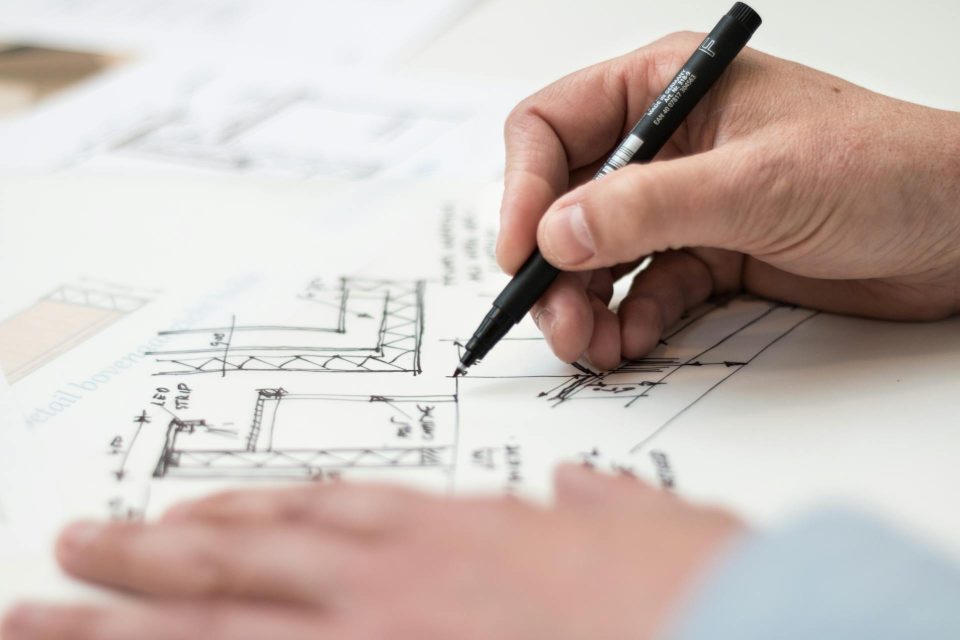
Why Homes Are Engineered Around Load Paths, Not Rooms
In residential construction, a load path is the path through which structural forces travel from the roof or upper floors to the foundation. These forces include the weight of building materials, furniture, and occupants, as well as environmental loads such as snow or wind. Rather than focusing on the layout of individual rooms, engineers prioritize establishing continuous, efficient load paths that safely and evenly transfer these forces. This approach ensures structural stability and prevents localized failures, such as sagging floors, cracked walls, or compromised foundations. By designing around load paths, homes maintain integrity even under changing usage conditions or modifications over time.
The Limitations of Room-Based Structural Design
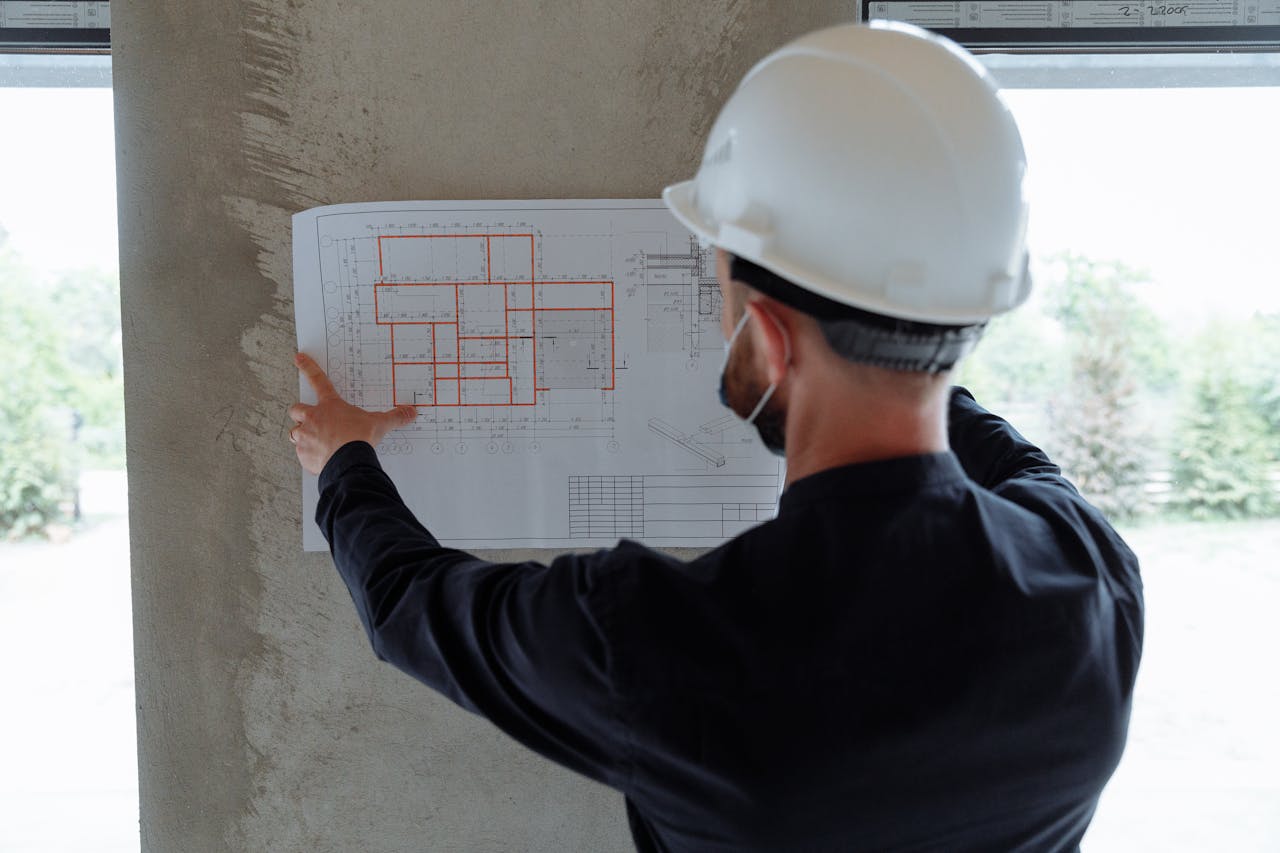
Designing homes solely around rooms can lead to uneven distribution of structural forces. Room layouts often prioritize aesthetics, functionality, or personal preference, which may place walls or openings in positions that disrupt natural load transfer. Without careful consideration, this can create stress points that require additional reinforcement or limit future modifications. A room-centric approach also tends to treat spaces as isolated, neglecting how forces interact across floors and structural elements. Engineering around load paths addresses these limitations by focusing on the continuity and predictability of force distribution rather than the shape or function of individual spaces.
Integration of Beams, Columns, and Walls
Load path engineering relies on strategically positioning structural elements such as beams, columns, and load-bearing walls to create continuous channels for forces to travel. Beams span open spaces to carry weight to vertical supports, while columns and walls transmit loads downward. This framework allows architects and designers flexibility in configuring rooms, as the structural system can accommodate larger open spaces or non-standard layouts without compromising safety. Understanding the relationship between structural elements and load paths enables both efficiency in material use and freedom in spatial planning, balancing safety with design creativity.
Planning for Modifications and Future Expansion
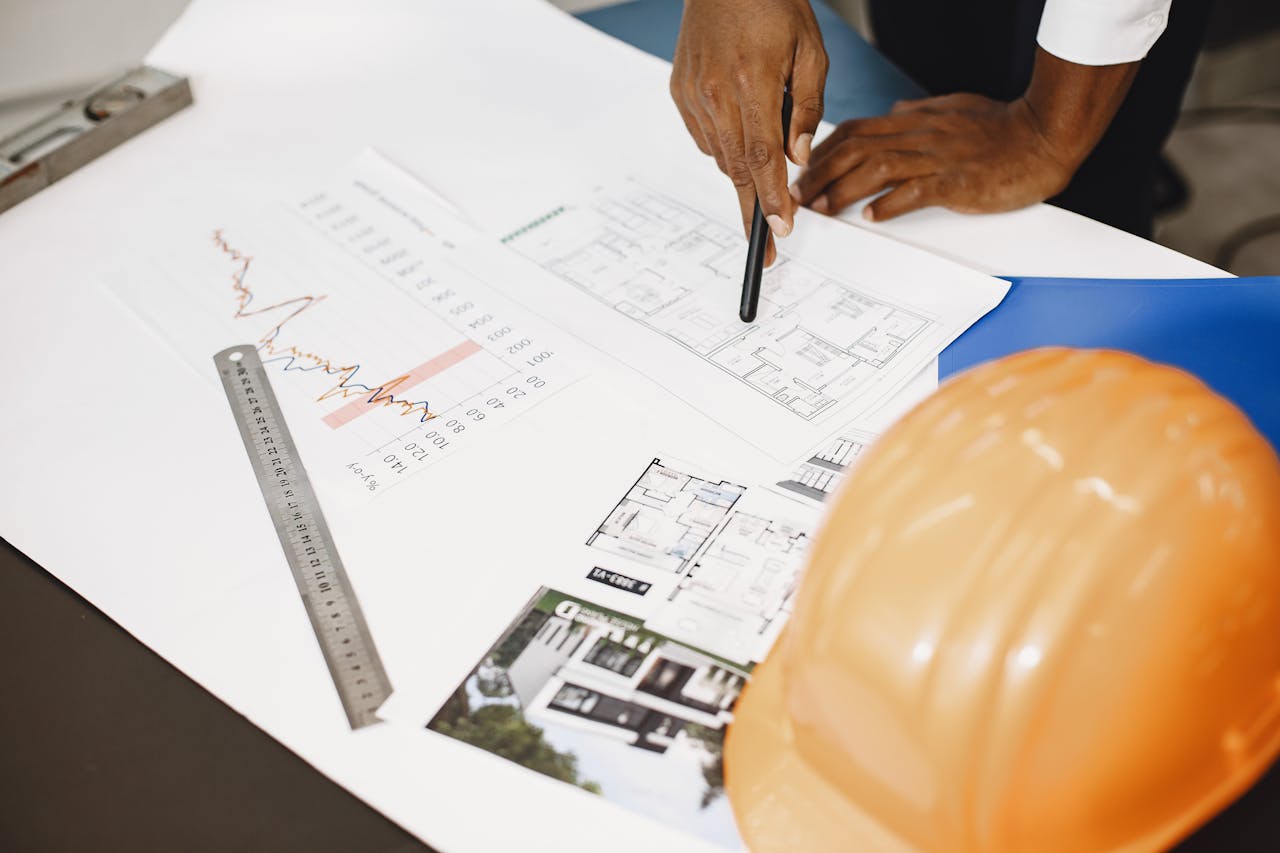
Homes often undergo renovations, additions, or changes in room function throughout their lifespan. When a house is engineered around load paths rather than fixed room layouts, modifications can be carried out more safely and efficiently. Removing or relocating non-structural walls, adding extensions, or reconfiguring spaces can be done without jeopardizing the overall integrity of the structure. This foresight reduces the cost, complexity, and risk associated with retrofitting, as the underlying framework is designed to handle loads independently of specific room configurations.
Enhancing Safety and Longevity
Prioritizing load paths enhances both the immediate safety and long-term durability of residential structures. Efficient load distribution prevents overstressed areas, reduces the likelihood of structural failure, and minimizes maintenance issues over time. It also provides resilience against environmental forces such as wind, earthquakes, or snow loads. By focusing on the flow of forces rather than the aesthetic boundaries of rooms, engineers create homes that remain stable, adaptable, and safe for decades, regardless of interior alterations or changing occupancy patterns.
Homes are engineered around load paths to ensure structural integrity, flexibility, and long-term resilience. While room layouts serve functional and aesthetic purposes, they do not determine how forces move through a building. Strategic placement of beams, columns, and load-bearing walls enables homes to efficiently support weight, accommodate modifications, and withstand environmental stresses. By prioritizing load paths over room configurations, residential design achieves both safety and adaptability, providing a stable foundation for living spaces that can evolve.…